Quick Navigation
- Why So Many Birds? The Arizona Desert's Secret Sauce
- The A-List: Iconic Birds of the Arizona Desert
- Raptors of the Hot Sky
- A Blur of Jewels: Hummingbirds
- Ground Dwellers and Bush Skulkers
- Water: The Ultimate Magnet
- Seasonal Spectacles and Special Visitors
- Where and When to Find Desert Birds
- Desert Birdwatching Tips: How to Do It Right
- Frequently Asked Questions About Arizona Desert Birds
- Wrapping It Up: A Desert Full of Life
I remember the first time I really stopped to listen in the Sonoran Desert. It was quiet, the kind of quiet that makes your ears ring. Then, a sharp kree-kree-kree cut through the air, and a flash of reddish-brown dove into a cholla cactus. That was my proper introduction to the Gila Woodpecker, and it completely shattered my assumption that deserts were mostly empty, silent places. If you've ever wondered what birds live in the Arizona desert, you're in for a treat. The answer isn't just a handful of hardy survivors. It's a surprisingly long list of specialized, colorful, and downright fascinating characters.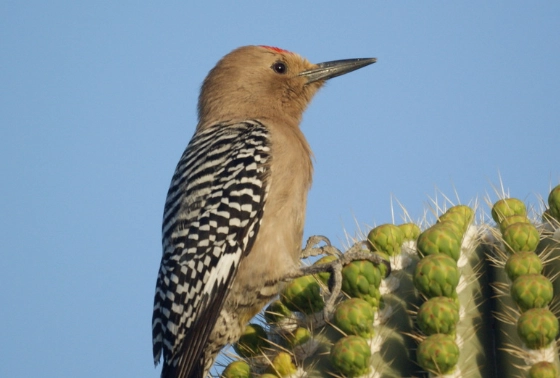
Think about it. Arizona isn't just one desert. You've got the iconic Sonoran Desert down south with its giant saguaros, and the higher, cooler Mojave Desert up northwest. Each one creates a different stage for bird life. Then toss in the "sky islands"—those mountain ranges that shoot up from the desert floor—and you've got a recipe for incredible biodiversity. Birds here aren't just passing through. Many are full-time residents, perfectly adapted to the heat, the scarcity of water, and the unique plants. Others are seasonal visitors, using the desert corridors during migration. Figuring out what birds live in the Arizona desert means exploring a world of clever adaptations.
The sheer variety still surprises me. From the comical sprint of the roadrunner to the jewel-like flutter of a hummingbird at an ocotillo blossom, the desert is far from dead. It's a busy, noisy, and vibrant ecosystem if you know when and where to look.
Why So Many Birds? The Arizona Desert's Secret Sauce
Most people hear "desert" and think "barren." For birds, Arizona's deserts are more like a well-stocked, if challenging, grocery store with specialized departments. The key is the variety of plant life, which the U.S. Geological Survey notes is exceptionally high in the Sonoran Desert compared to others worldwide. Saguaros, palo verdes, mesquites, and ironwoods provide nesting cavities, perches, and most importantly, food in the form of insects, nectar, seeds, and fruit.
Riparian areas—those green lines of life along rivers like the San Pedro or even seasonal washes—are absolute magnets for birdlife. They're the desert's lifelines, offering water, dense cover, and insect hatches. A hike along the San Pedro Riparian National Conservation Area can feel more like a walk in a woodland, with a bird list to match. This mosaic of habitats is the real reason the list of what birds live in the Arizona desert is so impressively long.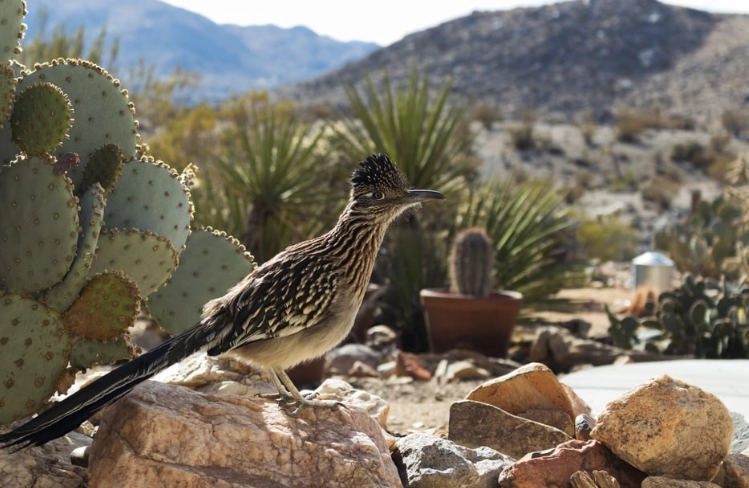
I've also learned that seasons change everything here. Spring isn't just about wildflowers; it's a peak time for nesting and for northbound migrants to refuel. Summer brings the monsoon rains, triggering a boom in insect life that feeds hungry chicks. Fall sees the southbound migration flow. Even winter has its specialties, with birds from colder northern climates dropping in. There's never a truly bad time to look, though some are definitely easier than others.
The A-List: Iconic Birds of the Arizona Desert
Let's get to the stars of the show. These are the birds most people hope to see when they ask, "What birds live in the Arizona desert?" They're the ones on the postcards and in the nature documentaries, and for good reason.
| Bird Name | Key Identification Features | Favorite Habitat & Behavior | Best Time to See |
|---|---|---|---|
| Greater Roadrunner | Long tail, shaggy crest, streaky plumage, blue and orange skin behind eye. Runs, rarely flies. | Open ground with scattered brush. Hunts lizards, snakes, insects. Famous for its speed and curiosity. | Year-round. Often seen crossing roads or trails in early morning. |
| Gila Woodpecker | Barred black-and-white back, tan head and neck, males have a red cap. Loud, rolling call. | Saguaro forests, mesquite woodlands. Excavates nest holes in living saguaros (creating "saguaro boots"). | Year-round. Very common and noisy around desert towns. |
| Cactus Wren | Large, bold wren with heavy spotting, white eyebrow, curved bill. Arizona's state bird. | Cholla cactus and prickly pear thickets. Builds large, football-shaped nests in thorny cacti for protection. | Year-round. Listen for its harsh, chattering call. |
| Verdin | Tiny, gray bird with a bright yellow head and a rufous shoulder patch. Looks like a dash of paint. | Desert scrub, especially creosote bush and saltbush. Builds intricate, spherical nests of twigs. | Year-round. Can be hard to spot despite its bright color. |
| Phainopepla | Silky, black (male) or gray (female) bird with a crest and red eyes. Often perches prominently. | Mesquite bosques and desert washes. Feeds heavily on mistletoe berries. Has a unique, froggy call. | Year-round, but numbers can shift seasonally. |
Seeing a roadrunner in full sprint is a highlight for anyone. They're so much lankier and faster in person than cartoons suggest. And the Gila Woodpecker... well, let's just say they have personality. They're bold, often investigating picnic areas, and their drilling on metal street signs at dawn is a less charming desert alarm clock.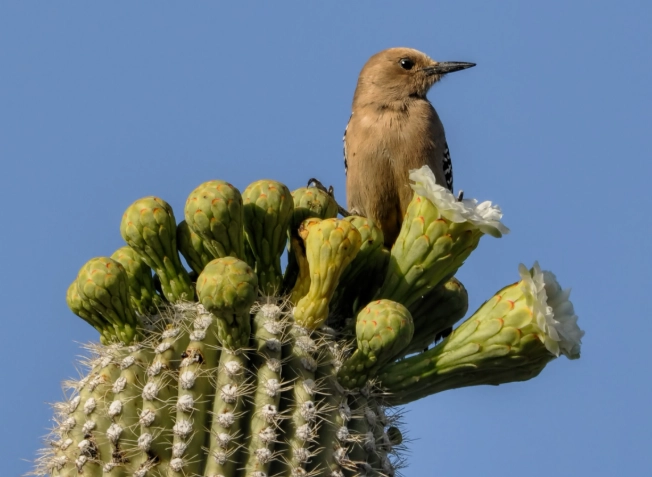
The Roadrunner: More Than a Cartoon Character
This bird is the embodiment of the desert. It's a ground cuckoo, which explains its long legs and terrestrial lifestyle. I've watched one methodically patrol a patch of ground, cocking its head to listen for scuttling lizards. They'll eat just about anything they can catch and subdue—scorpions, tarantulas, small snakes, rodents. Their adaptation to heat is remarkable; they can lower their body temperature at night to save energy and even excrete salt from glands near their eyes to conserve water. If you want to understand desert adaptation, watch a roadrunner.
The Cactus Wren: Master of the Thorns
No bird exemplifies the use of the desert's defenses like the Cactus Wren. Its nest is a marvel—a bulky mass of grasses woven into the heart of a cholla or jumping cactus. The thorns keep predators like snakes and other birds away from the eggs and chicks. The wrens themselves seem utterly fearless of the spines, hopping in and out with ease. Their loud, scolding calls are a constant soundtrack in suitable habitat. They're not shy, either. I've had them hop onto a picnic table to investigate crumbs from a worrying distance.
But the iconic birds are just the beginning.
Raptors of the Hot Sky
The open vistas of the desert are perfect for birds of prey. They soar on thermals rising from the heated ground, scanning for movement below.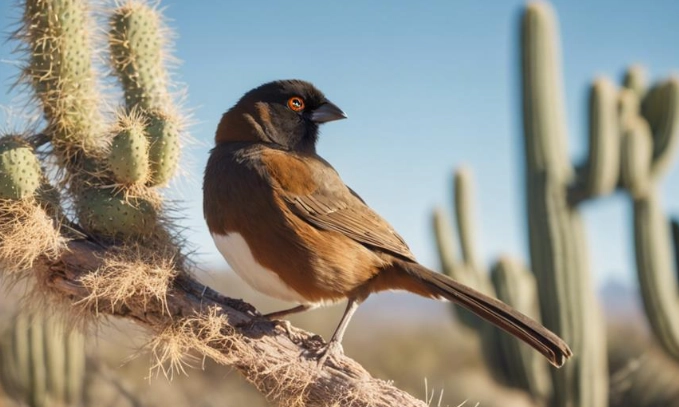
Common Desert Raptors
- Red-tailed Hawk: The ubiquitous buteo. Look for the rich red tail on adults. They perch on saguaro arms and utility poles.
- Harris's Hawk: This is a real treat. A social hawk that hunts in family groups, working together to flush prey. Mostly chestnut-brown with bright yellow legs.
- American Kestrel: Our tiny, colorful falcon. Often seen hovering over open fields or perched on wires. Males have blue-gray wings.
- Great Horned Owl: The classic "hoot owl." They nest early, often in old hawk nests or on cliff ledges. Their deep hoots are a staple of the desert night.
- Elf Owl: The world's smallest owl! No bigger than a sparrow. They nest in old woodpecker holes in saguaros and mesquite. Hard to see, but listen for their high-pitched whinnying call at dusk.
Seeing a Harris's Hawk cooperative hunt is a next-level birding experience. It feels like watching a well-drilled team. The Elf Owl, on the other hand, is a test of patience and hearing. I spent an hour one evening triangulating its call in a dense mesquite thicket and only got the briefest silhouette against the twilight sky. Worth it, though.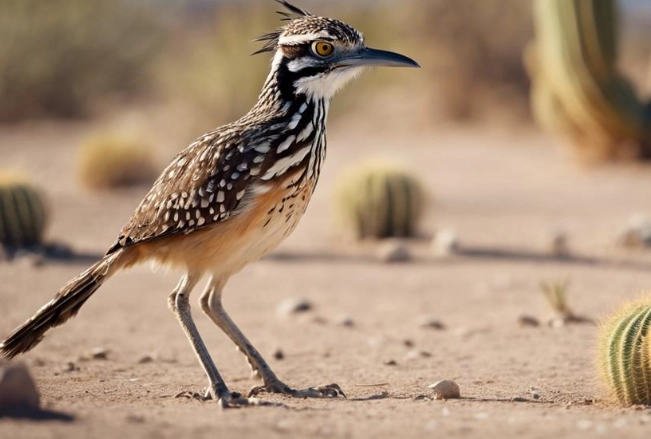
A Blur of Jewels: Hummingbirds
This might be the biggest surprise for newcomers. Several hummingbird species call the Arizona desert home, especially where flowering plants like ocotillo, chuparosa, and desert honeysuckle are abundant.
Anna's Hummingbird is a year-round resident now, thanks in part to suburban nectar feeders. The male's head and throat are a dazzling rose-pink. Costa's Hummingbird is the true desert specialist. Males have a magnificent, elongated violet-purple gorget that flares out like a mustache when they display. Their high-pitched, squeaky song is a classic sound of the Sonoran Desert scrub in spring. In summer, you might get Black-chinned or even Broad-tailed Hummingbirds visiting from higher elevations.
Watching a Costa's Hummingbird perform its display dive, the violet face patch flashing in the sun, is one of the most spectacular shows the desert has to offer. It's easy to forget the harshness of the environment when you're focused on that tiny, iridescent bundle of energy.
Ground Dwellers and Bush Skulkers
Not all desert birds are flashy or loud. Many are masters of camouflage, blending into the earth tones of the desert floor.
The Gambel's Quail is an exception—they're plump, gregarious, and run around in coveys, their topknots bobbing. Their distinctive chi-ca-go-go call is a morning anthem. Then you have the Black-throated Sparrow, arguably the most handsome desert sparrow with its crisp gray body, black bib, and white facial stripes. It's a true desert obligate, rarely found outside these habitats.
Look carefully on the ground for the Greater Roadrunner (of course), but also for the Curve-billed Thrasher, a long-billed, gray-brown bird that tosses aside debris looking for insects. Its call is a sharp, whistled whit-wheet!
One of my personal favorites is the Canyon Towhee. It's a plain, rusty-capped bird that spends most of its time scratching in the leaf litter under bushes. It looks unassuming until you hear its cheerful, musical song, a complex series of notes that seems too pretty for such a dusty environment.
Water: The Ultimate Magnet
Remember, when asking what birds live in the Arizona desert, you must include the species tied to water. Any reliable water source, from a cattle tank to a river, will host a different community.
You'll find Vermilion Flycatchers (the male is a shocking red) hawking insects over ponds. Bell's Vireos sing their hurried, scratchy songs from willow thickets along washes. Abert's Towhees, large and long-tailed, scratch noisily in the dense undergrowth of riparian zones. In winter, these areas might host Yellow-rumped Warblers and Ruby-crowned Kinglets.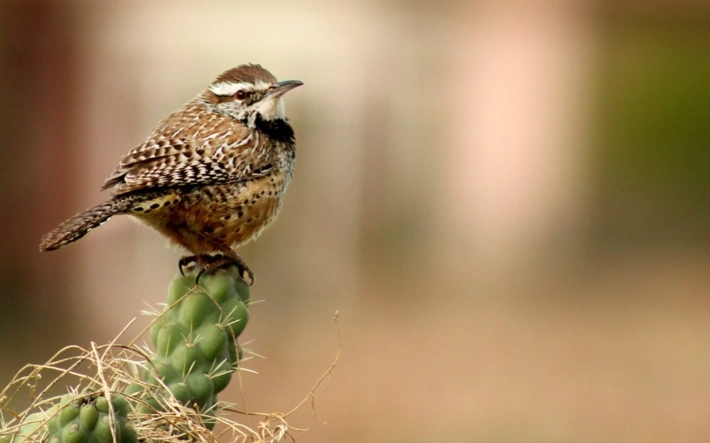
A simple bird bath or dripping water feature in a desert yard can attract an astonishing array of birds, especially during the hot, dry months of May and June before the monsoons hit. It becomes a critical resource.
Seasonal Spectacles and Special Visitors
The cast changes with the calendar. Spring and fall migration turn the desert, especially riparian corridors, into a temporary rest stop for warblers, flycatchers, tanagers, and grosbeaks. You might find a brilliant Western Tanager or a Bullock's Oriole refueling in a cottonwood tree.
In winter, look for White-crowned Sparrows and Dark-eyed Juncos in brushy areas. Ferruginous Hawks might come down from the north. It's a different vibe—less about breeding songs, more about foraging flocks.
Where and When to Find Desert Birds
Okay, so you know what birds live in the Arizona desert, but where do you actually go to see them? Timing and location are everything.
Top Spots for Desert Birding:
- Sonoran Desert National Monument / Boyce Thompson Arboretum: Fantastic diversity. The Arboretum is a landscaped collection of desert plants that acts as a bird oasis. Great for beginners.
- Saguaro National Park (East & West): The classic saguaro forest. Perfect for Gila Woodpeckers, Cactus Wrens, and raptors. The National Park Service website has seasonal bird lists.
- San Pedro Riparian National Conservation Area: A world-renowned migratory hotspot. The list here is enormous, from desert species to eastern vagrants.
- Tucson Mountain Park / Desert Museum: Excellent trail network. The Arizona-Sonora Desert Museum has feeding stations that draw in many species.
- Organ Pipe Cactus National Monument: Further south, this is the place for more specialized Sonoran species.
Seasonal Tips:
- Spring (March-May): The absolute best time. Birds are singing, nesting, and migrating. Weather is pleasant. Go early in the morning.
- Summer (June-August): Brutally hot. Birding activity is restricted to dawn and dusk. Monsoon rains (July-Aug) can trigger a green-up and insect boom. Be prepared for extreme heat.
- Fall (Sept-Nov): Another migration period. Weather cools down. A very pleasant time to be out.
- Winter (Dec-Feb): Cool, sometimes cold, especially at night and in higher deserts. Good for seeing winter visitors and raptors. No water worries for the birds.
Desert Birdwatching Tips: How to Do It Right
Birding in the desert isn't like birding in a forest. You need a different strategy.
First, water is for you, too. Carry more than you think you need. Every time. Wear a hat, sunscreen, and light, long sleeves. Good footwear is essential for rocky, thorny terrain.
Listen more than you look. In the open desert, you'll often hear a bird long before you see it. Learn a few key calls—the rolling laugh of the Gila Woodpecker, the chatter of the Cactus Wren, the whistle of the Curve-billed Thrasher. Apps like Merlin Bird ID from the Cornell Lab of Ornithology are invaluable for sound ID.
Look for "life" not just birds. Find the flowering ocotillo, the fruiting palo verde, the active ant trail. Birds will be there. Scan the tops of saguaros for raptor perches. Check cavities for woodpeckers or owls.
Patience is key. Sit quietly near a water source or a good patch of flowers. Let the birds come back to their normal routine. They will.
Lastly, respect the place. Stay on trails to avoid crushing fragile soil crusts. Don't harass wildlife. The desert is tough, but it's also delicate.
Frequently Asked Questions About Arizona Desert Birds
What is the rarest bird you might see in the Arizona desert?
That changes, but rarities like the Rosy-faced Lovebird (an introduced feral population in Phoenix) or a vagrant warbler during migration can cause excitement. The Five-striped Sparrow is a highly sought-after specialty found only in very specific rocky canyon habitats in southern Arizona. It's a tough one to find.
Is it safe to go birding in the desert?
Generally, yes, if you're prepared. The main dangers are dehydration, heatstroke, and getting lost. Tell someone your plans. Carry a map and a charged phone (service can be spotty). Be aware of wildlife like rattlesnakes—give them space. It's not a theme park; it's a wilderness. A little caution goes a long way.
What time of day is best?
DAWN. Without question. The first few hours after sunrise are the most active for birds and the most comfortable for you. Late afternoon can be good too, but the heat lingers. Midday birding in summer is mostly futile and potentially dangerous.
Can I attract desert birds to my yard?
Absolutely. The three keys in the desert are water, food, and shelter. A simple drip or mister is a huge draw. Plant native, bird-friendly plants like chuparosa, fairy duster, and desert willow. Offer seed (quail love it) and maybe a sugar-water feeder for hummingbirds. Provide thorny brush or cactus for shelter and nesting sites. Avoid pesticides.
How do birds survive the extreme heat?
Their adaptations are incredible. They are nocturnal or crepuscular (active at dawn/dusk), seek shade during the heat, pant to evaporate water from their throat, and some, like doves, can fly long distances to water. They also get most of their moisture from food—insects, fruit, nectar, and even the blood of prey. Their kidneys are super-efficient. Research from institutions like the Arizona State University School of Life Sciences delves deep into these physiological marvels.
Wrapping It Up: A Desert Full of Life
So, what birds live in the Arizona desert? The list is long, diverse, and endlessly interesting. From the hyper-specialists like the Cactus Wren and Costa's Hummingbird to the adaptable generalists like the Gila Woodpecker and Mourning Dove, they all have a story written by the sun, the sand, and the spines.
Birding here has taught me to appreciate subtlety—the soft call of a Verd in in a creosote bush, the shadow of an owl in a saguaro cavity at dusk. It's not always easy. You'll get hot, you'll get thirsty, and you'll probably get thorns in your socks. But the moment you lock eyes with a curious Phainopepla or watch a covey of quail scurry across the trail, it all feels worth it.
The Arizona desert isn't a barren wasteland. It's a resilient, complex, and vibrant ecosystem. And the birds are its most visible, vocal, and captivating proof. Grab your hat, your water bottle, and some binoculars, and go see for yourself. Just remember to look, and more importantly, to listen.
Reader Comments