You're puttering in the garage, and a loud, rhythmic "teakettle-teakettle-teakettle!" erupts from the brush pile. Or maybe you're sipping coffee on the patio when a small, cinnamon-brown bird with a cocked-up tail boldly hops onto the railing, eyeing you with clear suspicion. Congratulations, you've met the Carolina Wren. This bird isn't just a background player. It's a full-volume, inquisitive character that can become a daily source of entertainment if you know how to roll out the welcome mat. Forget thinking of them as just another brown bird. They have personality, loud opinions, and very specific tastes.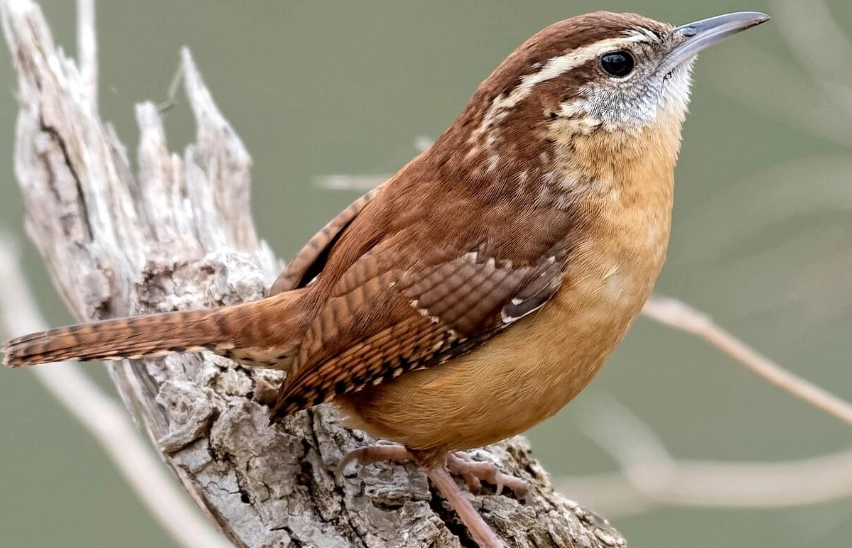
What's Inside This Guide?
How to Identify a Carolina Wren (It's Not Just Brown)
Calling a Carolina Wren "brown" is like calling a sunset "orange." It misses the nuance. Let's get the field marks straight, because confusing it with a House Wren or a sparrow is a common beginner's slip.
The Voice is the Giveaway. Before you even see it, you'll hear it. The Carolina Wren's song is a loud, repeated 3-part phrase, often described as "teakettle-teakettle-teakettle" or "cheery-cheery-cheery." It's not delicate. It's a proclamation. Both males and females sing, which is unusual. They also have a huge repertoire of calls: a harsh, scolding chatter when alarmed, and a softer, conversational "pit-pit-pit" while foraging.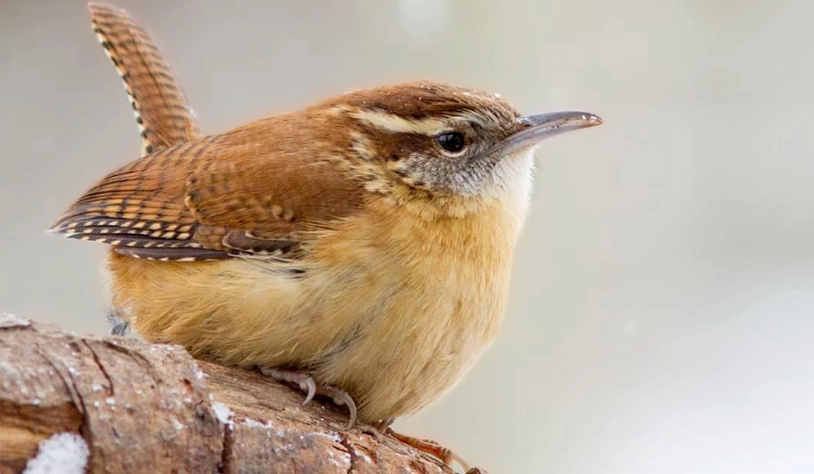
Key Visual Clues:
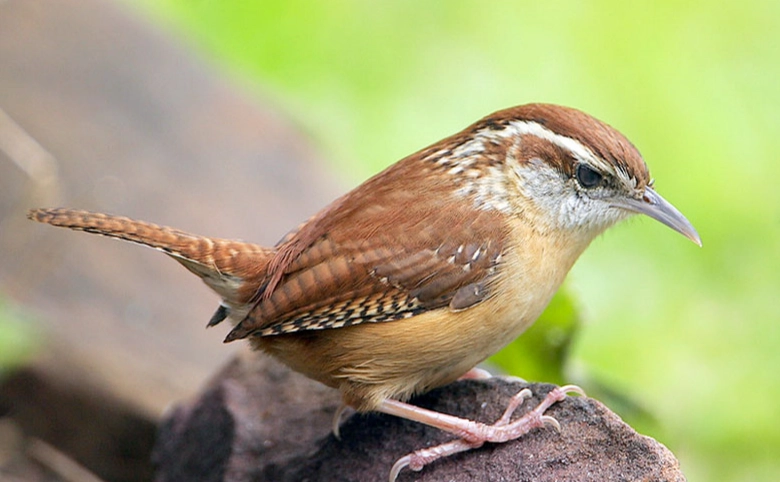
- The Eyebrow: This is the single best mark. A long, stark white stripe (a "supercilium") runs from the bill, over the eye, and far back toward the neck. It's like a bold stroke of paint.
- Rich Color: Their upperparts are a warm, rufous-brown, not a dull gray-brown. The belly is a buffy-orange color, and they have subtle white speckling on the wings and tail.
- Posture & Tail: They almost never sit still. They move with quick, jerky hops, and that tail is almost always cocked sharply upward. It's a perky, alert posture.
Pro Tip: Don't rely on range maps from 20 years ago. According to data from the Cornell Lab of Ornithology's eBird project, Carolina Wrens have been steadily expanding northward, likely aided by milder winters and suburban development. It's worth checking recent sightings in your area even if old guides say you're out of range.
| Feature | Carolina Wren | House Wren | Notes |
|---|---|---|---|
| Eyebrow | Long, bold white stripe | Faint, short, grayish | The Carolina's eyebrow is unmistakable. |
| Overall Color | Rich rufous-brown | Duller gray-brown | Carolina looks "warmer." |
| Tail Position | Almost always cocked up | Often held down or level | A key behavioral cue. |
| Song | Loud, rolling 3-part phrase ("teakettle!") | Bubbly, chattering warble | Carolina's song is simpler, louder, repeated. |
Where They Live and What They Do: Habitat & Quirky Behavior
Carolina Wrens are homebodies. A mated pair will defend the same territory year-round, which is why you often see the same two birds day after day. They don't migrate. This makes them vulnerable to severe cold snaps—a hard winter can cause local populations to crash, which is heartbreaking to witness.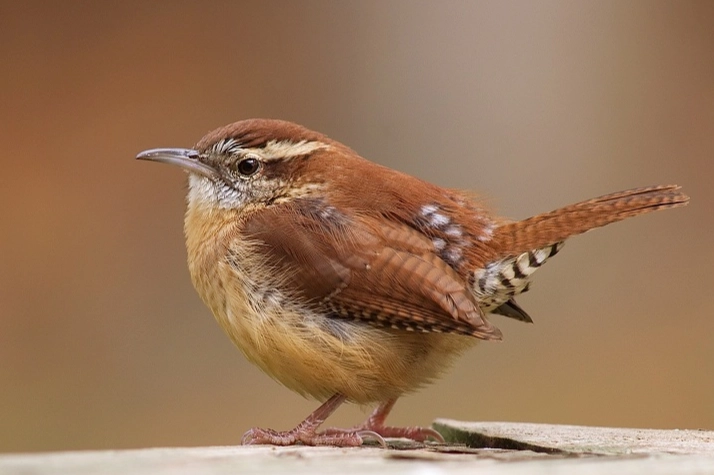
Their ideal habitat is messy. They thrive in tangled undergrowth, brush piles, fallen logs, and dense vine cover. A perfectly manicured lawn with a single, pruned shrub is a desert to them. They're looking for nooks, crannies, and insect-hunting grounds.
Their nesting habits are where their bold curiosity shines—and sometimes puzzles us. They are famous for choosing bizarre nest sites. I've found nests in:
- An old boot left on a shelf in an open shed.
- A hanging basket with fake flowers (they built behind the plastic foliage).
- A folded patio chair cushion.
- A mailbox that was rarely used.
The common thread? It's a sheltered, dome-shaped cavity. They don't excavate; they just move into ready-made spots. This is crucial to understand when offering a nest box.
They're also fiercely loyal. Once, I watched a pair spend four days trying to feed a fledgling that had, sadly, not made it. Their dedication was profound, a reminder that these small creatures live complex lives.
How to Attract Carolina Wrens to Your Yard: A Step-by-Step Plan
Attracting them isn't about fancy feeders. It's about creating a secure, resource-rich environment that mimics their natural, tangled preferences. Think like a wren.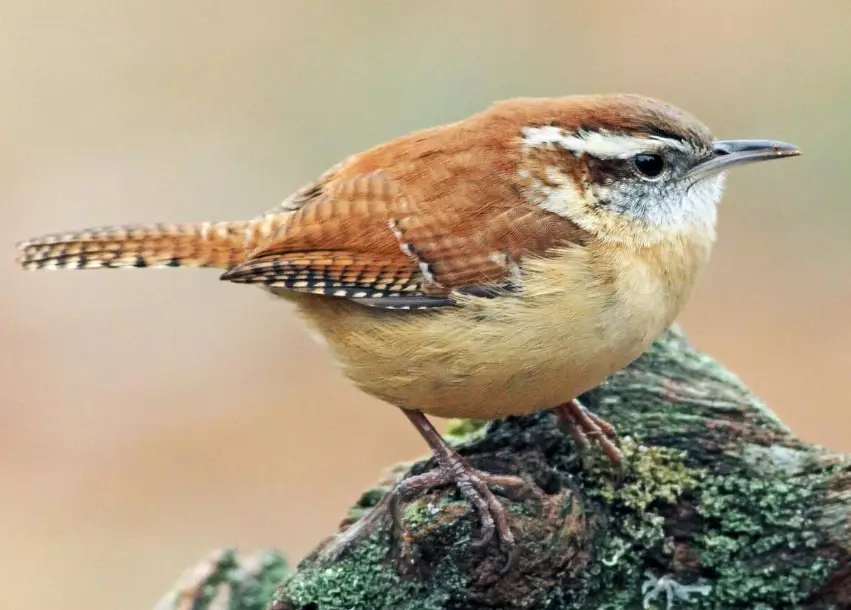
1. Offer the Right Food (It's Not Just Seed)
Carolina Wrens are insectivores at heart. They probe bark crevices and leaf litter for spiders, beetles, and caterpillars. At feeders, they want high-protein, high-fat foods that mimic this diet.
Top Offerings:
- Suet: This is the number one draw. Plain suet cakes, peanut butter suet, or insect-based suet. Offer it in a tail-prop cage or a simple wire basket.
- Peanuts: Shelled, unsalted peanut pieces or chips. They'll grab them from platform feeders or even the ground.
- Mealworms: Live or dried mealworms are like candy to them. A small dish on a platform feeder works wonders, especially during breeding season when they're feeding hungry chicks.
What they largely ignore: Standard seed mixes, especially those full of millet. They might pick at a black oil sunflower seed occasionally, but it's not a reliable attractor.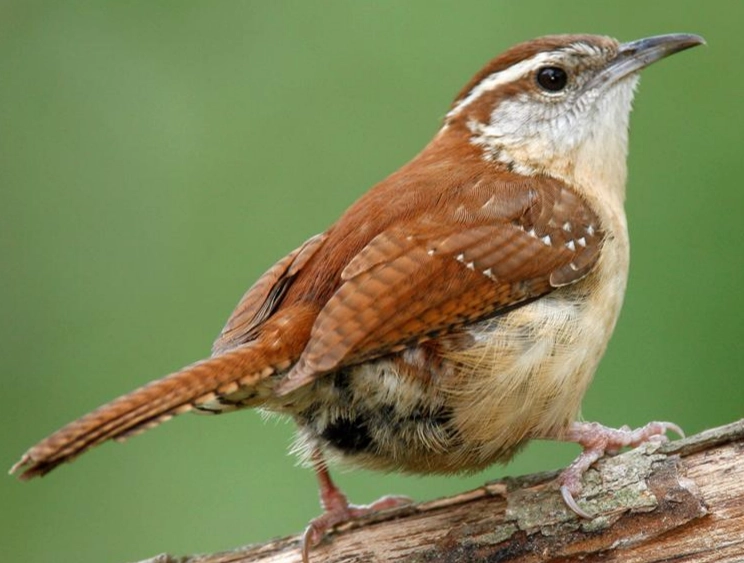
Avoid This Mistake: Don't put out bread, crackers, or other baked goods. They offer zero nutritional value for birds and can cause health problems. Stick to the high-energy, insect-simulating foods listed above.
2. Provide Water, But Make It Safe
They need water for drinking and bathing, but they are nervous about exposure. A classic pedestal birdbath in the open lawn will gather dust as far as wrens are concerned.
Instead, place a shallow basin (like a plant saucer) directly on the ground near a brush pile or under a shrub. Keep the water clean and fresh, and make sure it's shallow—no more than 2 inches deep. Adding a small solar fountain or a dripper creates sound and movement, which is an irresistible advertisement.
3. Create Shelter and Nesting Sites
This is the most important step for long-term residency.
- Leave the Mess: Designate a corner of your yard for a brush pile of fallen branches. Let leaf litter accumulate under shrubs. This is prime insect-hunting territory.
- Plant Densely: Native shrubs like spicebush, elderberry, or dense evergreens provide perfect cover.
- Offer a Proper Nest Box: If you want to guarantee a home, get the specs right. The entrance hole should be 1-1/8 inches in diameter—small enough to deter House Sparrows. Place it 5-10 feet high, tucked into vegetation or under the eave of a shaded building. Face the entrance away from prevailing winds and weather. And never add nesting material inside; they want to do that themselves.
I learned the hole-size lesson the hard way. I put up a cute box with a 1.5-inch hole. A House Sparrow family moved in within a week. The wrens never even looked at it.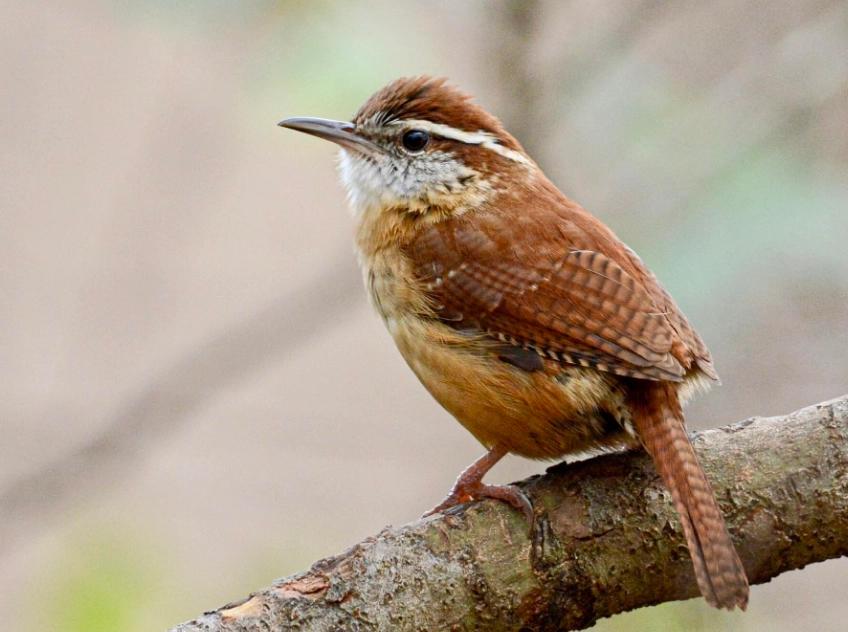
Your Carolina Wren Questions, Answered
How can I tell a Carolina Wren apart from a House Wren?
Look at the eyebrow. Carolina Wrens have a stark, long white eyebrow stripe that runs from the bill all the way past the eye. House Wrens are more uniformly brownish-gray with a much fainter, shorter eyebrow. The Carolina Wren's overall color is a richer, rufous-brown compared to the duller House Wren. Size helps too; Carolinas are noticeably larger and stockier.
What's the biggest mistake people make when trying to attract Carolina Wrens with a nest box?
Using a box with the wrong entrance hole. A standard bluebird box hole (1.5 inches) is too big. Carolina Wrens need a smaller, 1-1/8 inch entrance hole to feel secure from predators and larger birds. Placing the box in a wide-open, sunny spot is another error. They prefer it tucked into dense vegetation, under the eaves of a shaded porch, or even inside a garage with the door slightly ajar.
Will Carolina Wrens use a birdbath, and if so, what kind?
Absolutely, but they are cautious bathers. A ground-level birdbath or a shallow dish placed on the soil amidst leaf litter is ideal. They dislike exposed, pedestal-style baths in the middle of a lawn. The water must be very shallow—no more than 2 inches deep. Adding a few flat stones for perching increases its appeal. Moving water from a dripper or mister will grab their attention with sound.
Why did the Carolina Wrens that were visiting my feeder suddenly disappear?
This is common and usually not your fault. Carolina Wrens are primarily insect-eaters. They might raid your suet or mealworm feeder heavily during cold snaps or when feeding young, then vanish when natural insect populations boom. They also have large territories. A pair might be tending a nest a few houses down and focusing there for 2-3 weeks. As long as shelter and water are present, they often return, especially in fall.
 The Carolina Wren is more than a checklist bird. It's a resilient, vocal, and endlessly interesting companion for any backyard observer. By providing a bit of thoughtful habitat—some cover, the right food, and safe water—you're not just attracting a bird. You're inviting a personality. Listen for that loud "teakettle!" call. It might just be the start of a long acquaintance.
Reader Comments