Ask anyone to picture an eagle, and you'll likely get the same image: a large, dark bird with a white head, soaring over a mountain lake. That's the Bald Eagle, America's icon. But step outside North America, and the story of eagles becomes wildly diverse, complex, and frankly, more interesting. We're not talking about a handful of lookalikes. The term "eagle" encompasses over 60 species across the globe, from the monkey-eating giants of the Philippines to the serpent-hunters of the African savanna. This isn't just a list of names. If you want to find them, understand them, or just appreciate their raw power, you need to know where to look and what you're really seeing.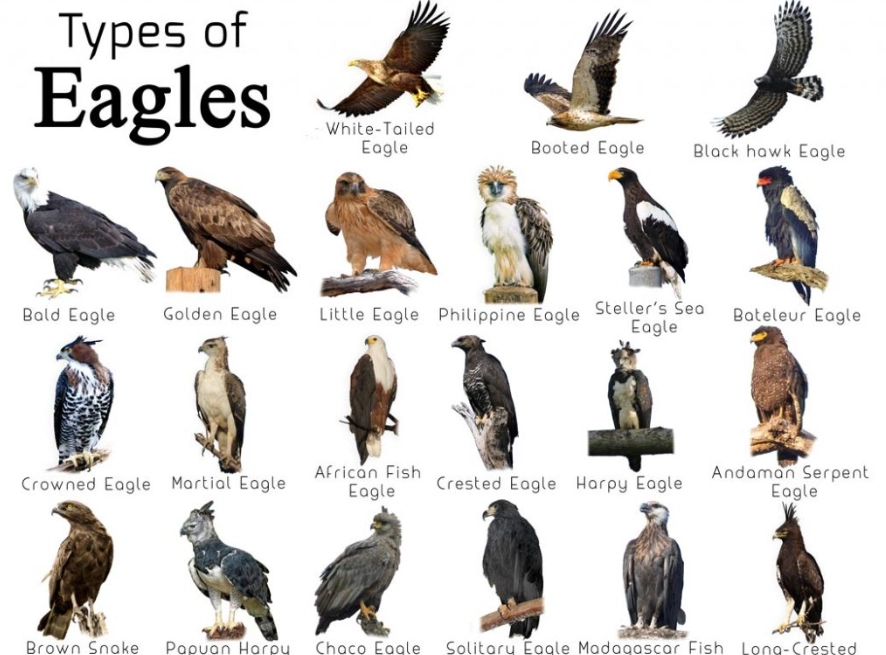
Your Eagle Spotting Quick Guide
The True Scale of Global Eagle Diversity
Let's clear something up first. "Eagle" isn't a strict scientific classification. It's a common name given to large, powerful birds of prey, primarily in the family Accipitridae. Biologists group them into several "branches" or genera, each with a different survival playbook.
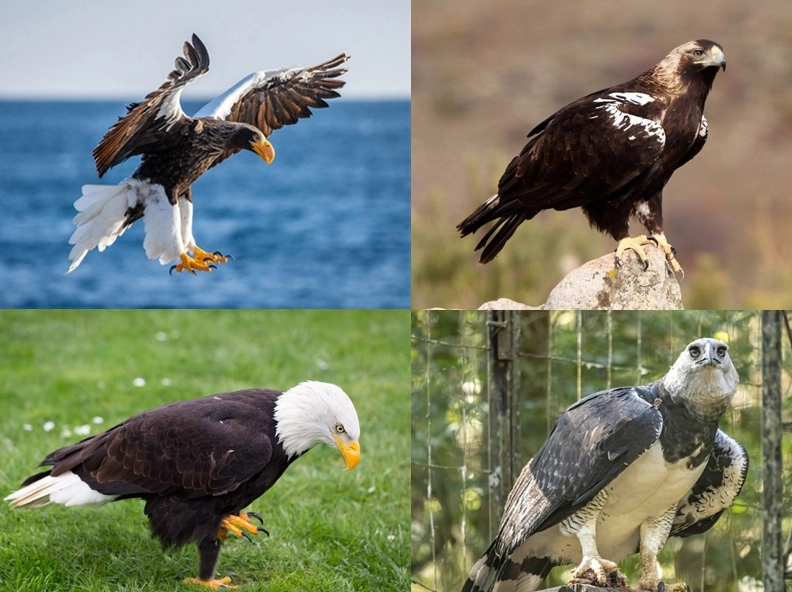
You have the booted eagles, like the Golden Eagle and the Bonelli's Eagle. They have feathers running all the way down their legs to their toes. Then there are the snake eagles (or serpent-eagles), like the magnificent Short-toed Snake Eagle. Their scales on the legs are thickened for protection against snake bites—a specific tool for a specific job. The fish eagles, including the famous Bald Eagle and Africa's African Fish Eagle, have rough-soled feet and long talons to grip slippery prey. And then there are the massive forest eagles, like the Harpy and Philippine Eagles, built like flying linebackers to snatch monkeys and sloths from the canopy.
This specialization is key. You won't find a Harpy Eagle hunting over open water, and you won't find a Steller's Sea Eagle deep in a rainforest. Their bodies are their toolkits, shaped entirely by their home.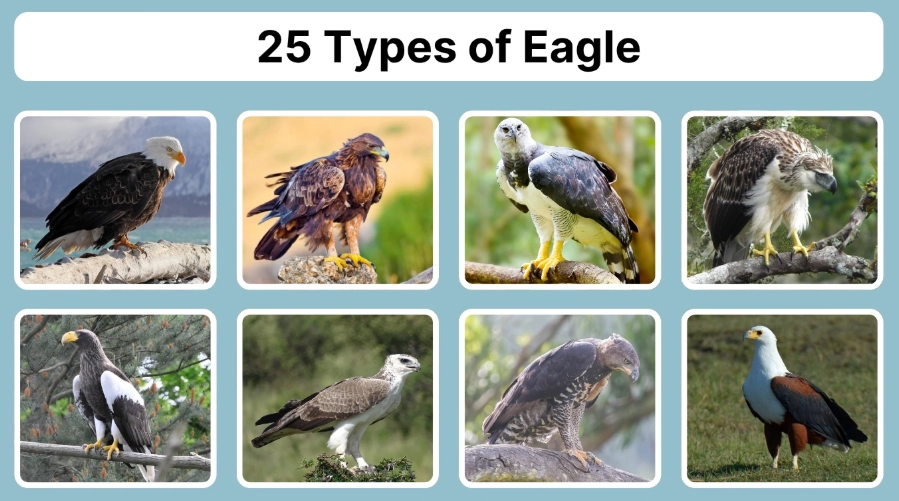
Iconic Species: From Forest Giants to Sea Hunters
Instead of another generic list, let's look at a few that define their category. These are the eagles that change ecosystems and define a birding trip.
| Species | Key Habitat | Distinguishing Feature & Diet | Where to Have a Realistic Chance of Seeing One |
|---|---|---|---|
| Philippine Eagle | Primary rainforests of Luzon, Samar, Leyte, and Mindanao. | Massive arched beak, shaggy crest. Preys on monkeys, flying lemurs, large birds. | Guided tours in Mindanao, Philippines (e.g., near Davao). Requires local guides who know active nesting sites. Not a casual roadside sighting. |
| Harpy Eagle | Lowland tropical rainforests of Central and South America. | Incredibly thick legs, piercing gaze. Apex predator of the canopy hunting sloths and monkeys. | The Darien Gap (Panama), Amazonian lodges in Brazil (Mato Grosso) or Peru (Tambopata). Often seen near clay licks or large fruiting trees that attract prey. |
| Steller's Sea Eagle | Coastal Northeast Asia (Russia, Japan). | Enormous yellow beak, white shoulders. Feeds on fish, especially salmon, and carrion. | Hokkaido, Japan in winter (Rausu, Nemuro). Gathers at ice-free waters and fish unloading ports. Relatively reliable in season. |
| Martial Eagle | Open savannas and thornbush of sub-Saharan Africa. | Spotted chest, powerful build. Takes large prey like monitor lizards, small antelope, and gamebirds. | Kruger National Park (South Africa), Etosha (Namibia), Masai Mara (Kenya). Often seen perched on isolated trees scanning for miles. |
| Golden Eagle | Mountains, hills, and open country across the Holarctic. | Golden nape, powerful flight. Diverse diet from hares to young deer. | Scottish Highlands, Alps, Rocky Mountains (USA), Norwegian fjords. Look for them riding thermals along ridges. |
That table gives you the textbook facts. Here's the field truth they don't tell you. The Philippine Eagle isn't just rare; it's quiet and stealthy in a dense, dark forest. You might hear its famous whistling call long before you see it. The Harpy Eagle? It can sit motionless for hours. I've spent days in Panama looking, only to have one silently appear in a tree above me, looking like it had been there all along. It's a lesson in patience.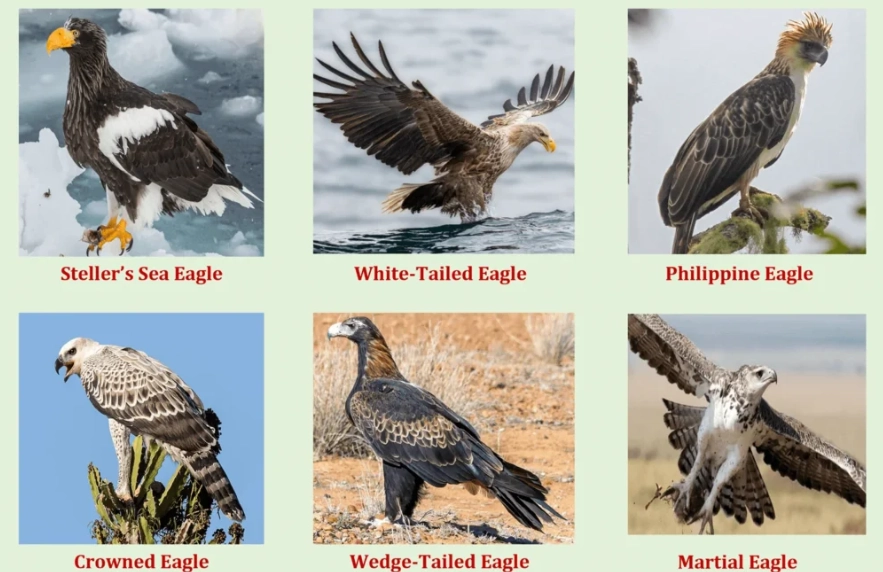
And then there are the lost giants. The Haast's Eagle of New Zealand, which went extinct around 1400 AD, preyed on moa birds that were up to 15 times its weight. Imagine an eagle that could attack a 500-pound flightless bird. It puts our modern eagles into perspective—they are impressive, but they're not the giants they once were.
How to Spot Eagles: A Practical Field Guide
You have the knowledge. Now, how do you apply it? Spotting eagles is part science, part art, and a lot of knowing where to stand.
Location, Location, Season
Eagles are creatures of habit tied to food sources. You go where the food is plentiful and easy.
Winter concentrations are your best friend. In cold climates, eagles congregate where water stays open and food is available. Think of the Chilkat Bald Eagle Preserve in Alaska (October-February) or the dams along the Mississippi River in the US Midwest (December-March). Hundreds gather. It's a spectacle.
Breeding cliffs and nest sites. Many eagles are loyal to nesting territories for decades. In places like the Canadian Rockies or the Scottish Isles, known eyries (nest sites) are often marked by local birding groups. Maintain a respectful distance—disturbance can cause nest failure.
The garbage dump secret. It's not glamorous, but in many parts of the world, from Spain to India, eagles scavenge at landfills. Lesser Spotted Eagles, Steppe Eagles, and even White-tailed Eagles use them as an easy food source. Check local birding forums discreetly; it's a well-known but seldom-advertised hotspot.
Gear and Technique
Forget the fancy camera if you don't have a decent pair of binoculars first. A 8x42 or 10x42 binocular is the workhorse. For photography, a 300mm lens is the bare minimum; 400mm or more is ideal for frame-filling shots.
Scanning technique is everything. Don't just look at trees. Look at the shape against the sky. An eagle on a distant pine looks like a dark football. Look for the straight, broad wings in flight. Watch for other birds—crows mobbing a large bird is a dead giveaway. Listen for alarm calls from smaller birds.
My personal rule? Spend 80% of my time glassing open ridges, coastlines, and river valleys, and 20% checking the tops of the tallest, dead trees (snags). That's where they perch to survey their kingdom.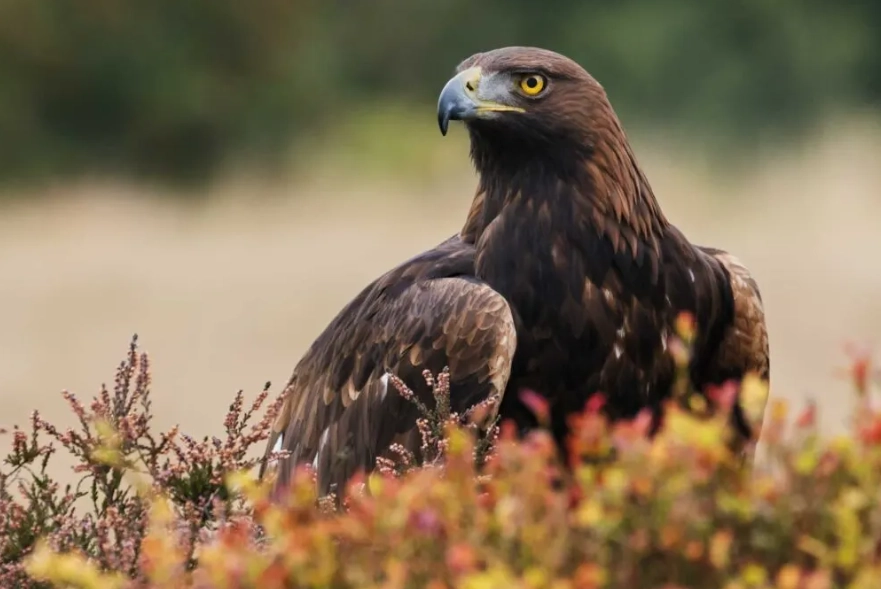
Conservation Status: Which Eagles Are in Trouble?
Not all eagles are thriving. While the Bald Eagle's recovery in North America is a landmark success story, thanks to the banning of DDT and legal protection, many others face steep declines.
The Philippine Eagle is Critically Endangered, with maybe 400 pairs left, victims of deforestation. The Madagascar Fish Eagle is one of the rarest birds of prey in the world. The Spanish Imperial Eagle, though recovering slowly, is still vulnerable.
The threats are universal: habitat loss (logging, agriculture), poisoning (from lead ammunition in carcasses or pesticides), electrocution on power lines, and sometimes, direct persecution.
What can you do? If you're a photographer, never bait eagles with live animals or stress them at the nest for a shot. Support conservation NGOs that work on the ground, like the Philippine Eagle Foundation or The Peregrine Fund. Choose birding tour operators with strong ethical policies. When you report a sighting, use apps like eBird—this citizen science data is crucial for mapping territories and informing protection plans.
Seeing an eagle in the wild is a privilege. Understanding the pressures they face makes that moment even more significant. It's not just checking a box on a list; it's witnessing a piece of a fragile, wild world.
 Are all large birds of prey considered eagles? What's the difference between an eagle, a hawk, and a vulture?
Reader Comments