You're watching rain streak down the window, your bird feeder swinging wildly in the wind. The usual morning chorus is silent. It's tempting to think every bird in the neighborhood has packed up and flown south for an hour. But the reality is far more interesting. The short answer is: it depends. Some birds become hyperactive, others vanish completely. Understanding why isn't just trivia—it can transform a soggy, disappointing birdwatch into a surprisingly productive one. I've spent over a decade with binoculars in hand, in drizzle and downpour, and I can tell you that rainy days reveal a hidden layer of bird behavior most people never see.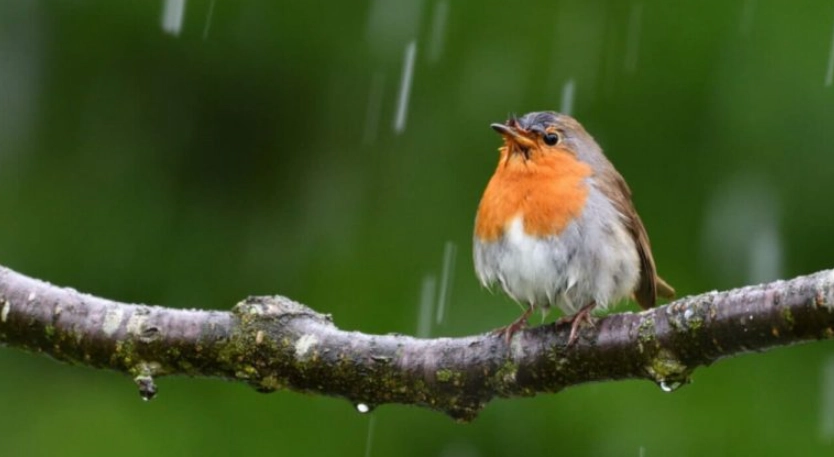
What's Inside?
Why Birds React Differently to Rain
It's not a simple yes or no. Their reaction is a complex cost-benefit analysis based on survival. The main factors are temperature, rain intensity, and the bird's own physiology.
Light rain or a warm summer drizzle? That's barely an inconvenience. I've seen robins and sparrows hopping on lawns as if nothing's happening. Their feathers provide excellent waterproofing. The preen oil they spread acts like a sophisticated wax jacket. The problem isn't getting wet, it's getting cold.
Maintaining body temperature is a bird's number one energy expense. Soaking wet feathers lose their insulating loft, like a soggy sleeping bag. The bird must burn precious calories just to stay warm—calories that are harder to find because insects are hiding and seeds are waterlogged. For a small bird like a wren or chickadee, a long, cold storm can be deadly. That's why they hunker down.
But here's a nuance most beginners miss: the behavior just before and after the rain is often more dramatic than during it. Birds can sense the drop in barometric pressure. Many species, especially insect-eaters like swallows and swifts, will go on a frantic feeding binge before a storm hits. They're fueling up for the forced downtime. Then, immediately after the rain stops, there's an explosion of activity as everyone emerges to forage and dry off.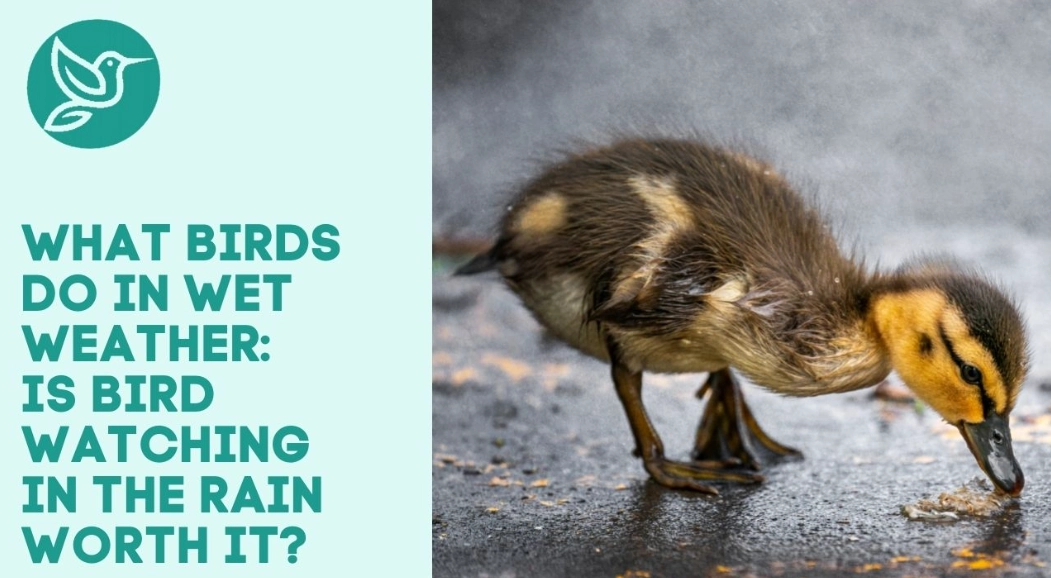
Bird Types and Their Rain Response: A Practical Guide
Not all birds are created equal when it comes to wet weather. Their diet and habitat dictate their strategy. Let's break it down.
| Bird Type / Examples | Typical Rain Behavior | Why They Do It & Where to Look |
|---|---|---|
| Seed-Eaters (Finches, Sparrows, Doves) |
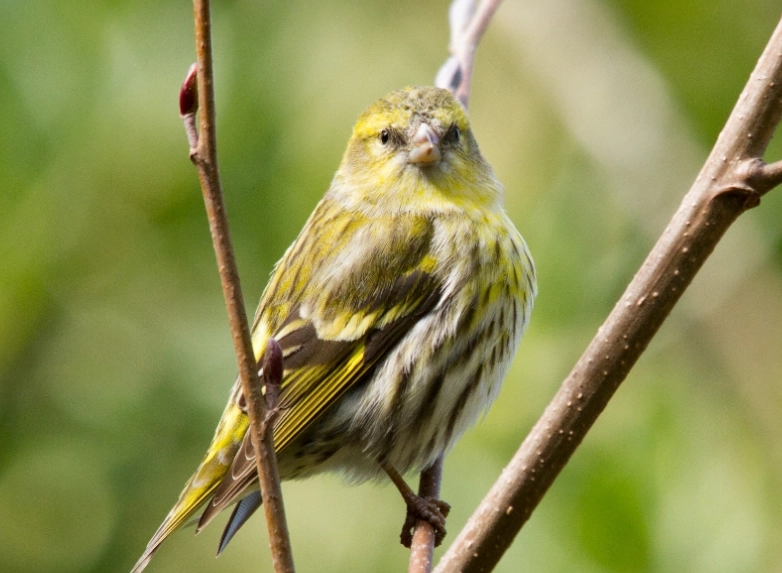
Seek dense cover. Activity plummets. | Wet seeds are harder to crack and less nutritious. They retreat to thick bushes, evergreen trees, or under dense hedges to conserve energy. Check your overgrown garden corners. |
| Insect-Eaters (Aerial) (Swallows, Swifts, Flycatchers) |
Vanish. Grounded. | Their food (flying insects) disappears in rain. They have no choice but to sit tight in a sheltered spot, like a barn eaves or dense tree canopy, and wait it out. You won't see them hawking for bugs. |
| Insect-Eaters (Foliage) (Warblers, Wrens, Kinglets) |
Can become more active in light rain. | This is a key insight. Light rain can drive insects out of hiding on leaves and bark, making them easier to catch. I've had fantastic warbler sightings in a gentle drizzle as they worked over dripping branches. |
| Waterbirds (Ducks, Geese, Herons, Gulls) |
Largely unaffected. Business as usual. | They're built for it. Dense down, waterproof feathers, and a life around water mean rain is a non-event. Ponds, lakes, and marshes are still active. Great blue herons will still stand motionless, fishing in a downpour. |
| Birds of Prey (Hawks, Eagles, Owls) |
Generally avoid flying in heavy rain. | Wet wings are heavier and less efficient. Soaring becomes difficult. They'll perch in a sheltered tree, often on the lee side of the trunk. But they might hunt actively just after the rain stops, as prey emerges. |
See the pattern? It's all about the food source. If the rain makes your food inaccessible or too costly to get, you stay in. If it doesn't, or even helps, you might go out.
An Expert's Misconception to Avoid
Many new birders assume all small birds hide. That's not true. Some, like American robins, are remarkably resilient. I've watched them pulling earthworms from rain-softened lawns when every other bird has fled. The worm's misfortune is the robin's banquet. It's a specific adaptation to wet weather foraging that gets overlooked.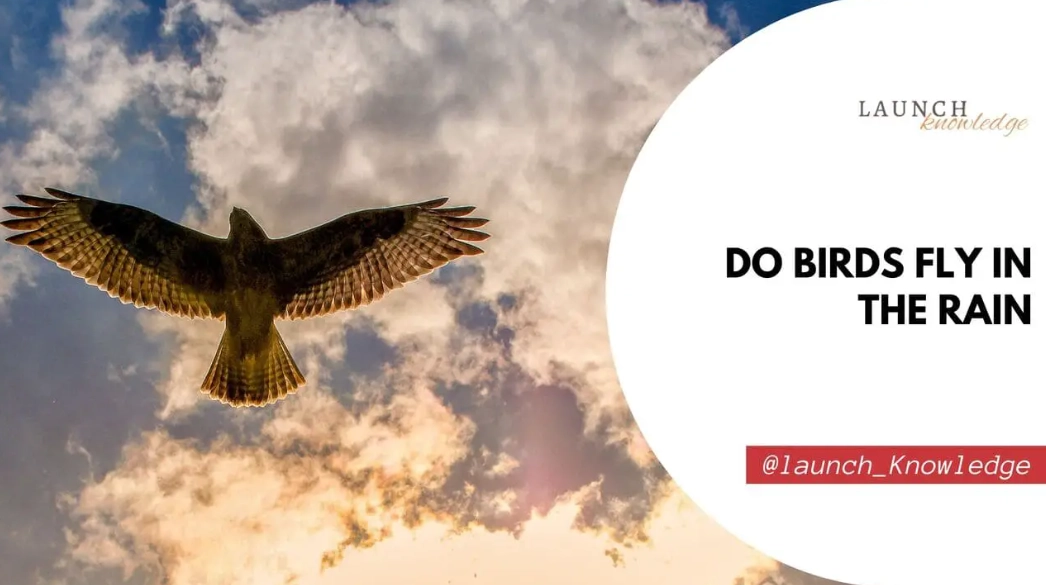
Essential Gear for Rainy Day Birdwatching
If you want to see what the birds are up to, you need to stay dry and keep your optics functional. Forget the cheap plastic poncho. Here’s the kit that actually works, based on miserable field tests I'd rather forget.
- A Real Rain Jacket with Pit Zips: Not a waterproof shell, but a dedicated, breathable rain jacket. Pit zips are non-negotiable. You'll be moving between shelter and open areas, and you need to vent heat. A sweaty, damp interior is just as bad as rain.
- Waterproof Binoculars: This is where you invest. Look for models labeled "waterproof" or "nitrogen-purged," not just "weather-resistant." Brands like Vortex, Nikon, and Zeiss have great options across price points. Fogging inside the lenses on a rainy day ruins everything.
- Lens Hood or Umbrella Trick: A simple, flexible lens hood can keep rain off the front objective lens. Even better? A small, handheld umbrella. It looks silly, but it lets you stand in the rain with completely dry optics. I pair mine with a wide-brimmed hat.
- Notebook & Pen Strategy: Paper disintegrates. Use a Rite-in-the-Rain notebook or a waterproof phone case. A standard ballpoint pen will write on wet paper; a gel pen won't.
Where to Find Birds in the Rain: A Location Strategy
Your usual birding spots might be empty. You need to think like a bird seeking shelter. Abandon the open fields and exposed ridges.
Head for dense, mature evergreen stands. Pines, spruces, and firs provide a multi-layered canopy that breaks up rain and blocks wind. The interior is often remarkably dry. This is the prime real estate for hiding songbirds. Walk quietly along the edge of such a grove.
Check man-made structures. Barn eaves, bridges, the covered porches of abandoned buildings, and even dense shrubbery against house walls become popular shelters. Swallows and phoebes often cling to vertical surfaces under an overhang.
Water edges are still productive, but differently. Don't look for birds flying over the water. Look for them in the water or along the muddy, insect-rich banks. Ducks and waders don't care. And after the rain, puddles and swollen streams become instant bathing and drinking spots.
One of my most memorable rainy-day sightings was a mixed flock of over a hundred kinglets and warblers, all foraging low in a sheltered rhododendron thicket beside a stream. The open woods above them were silent. They had all pushed into that one micro-habitat. Find the shelter, and you'll find the birds.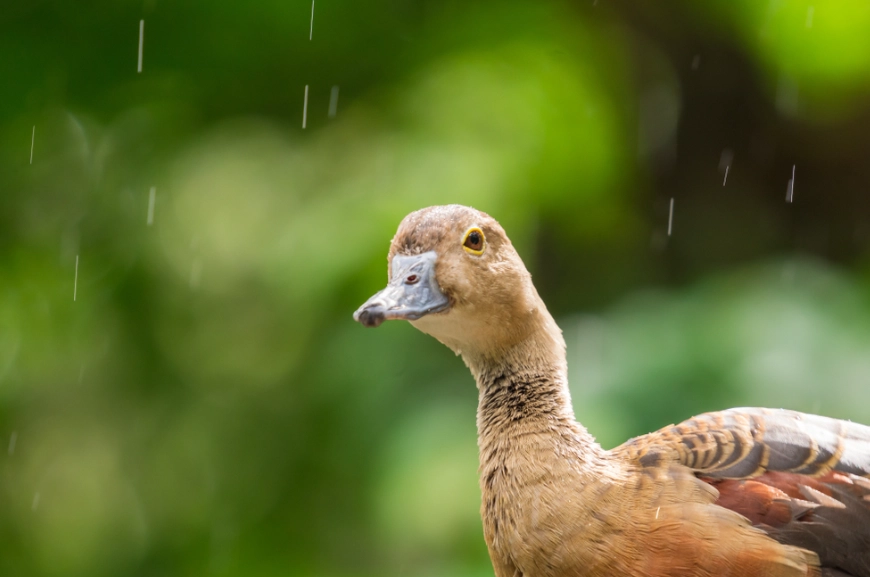
Your Questions on Birds and Rain, Answered
 Why do some birds take baths in puddles right after it rains?
Reader Comments