Spotting a northern harrier is one of those moments that separates casual bird watching from serious fieldcraft. You're scanning a vast, windswept marsh, and a long-tailed, lanky raptor appears, gliding inches above the reeds with an effortless, tilting grace. It's not flying like any other hawk you know. That's your first clue. This bird, with its owl-like face and distinctive white rump patch, is a master of open country, and learning its secrets turns every grassland drive into a potential discovery.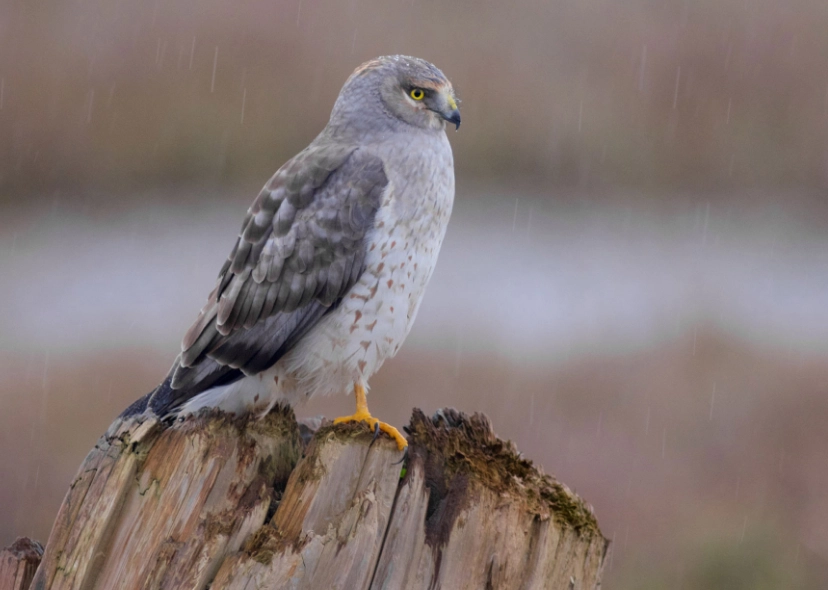
What's in this guide?
What Makes the Northern Harrier So Unique?
Forget everything you think you know about hawk behavior. The northern harrier (Circus hudsonius) operates on a different set of rules. Most hawks perch, scan, and strike from above. Not the harrier. It's a low-altitude specialist, a feathered surveillance drone methodically quartering back and forth over open ground.
Let's break that down.
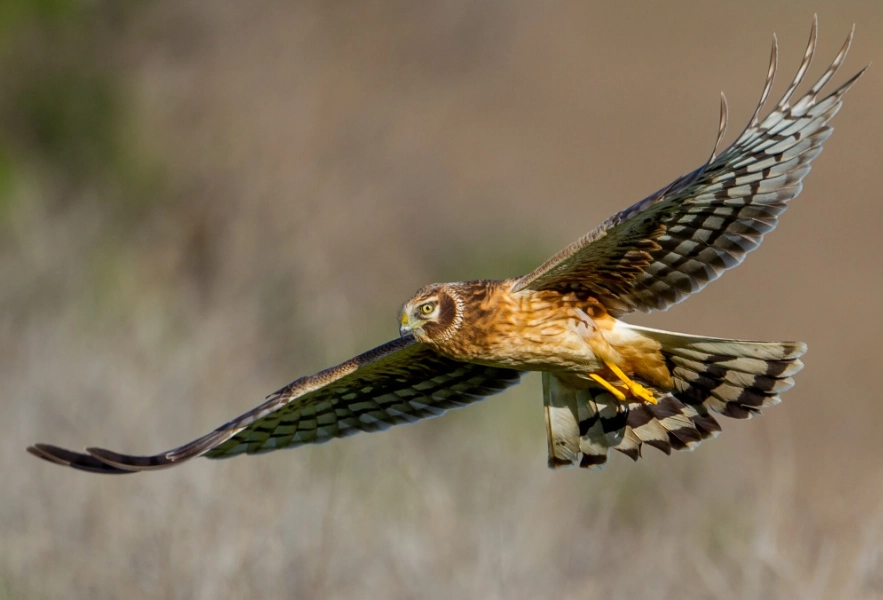
Its wings are long and broad, but held in a permanent, shallow V-shape called a dihedral. This isn't sloppy flying—it's ultra-stable, low-speed aerodynamics. It allows the bird to hover, tilt, and pivot on a dime, listening intently. And that's the second big clue: it listens. Its facial disc, a ring of stiff feathers that funnels sound, is straight out of an owl's playbook. I've watched them plunge into tall grass, completely out of sight, and emerge with a vole they heard rustling underneath. They hunt by ear as much as by sight.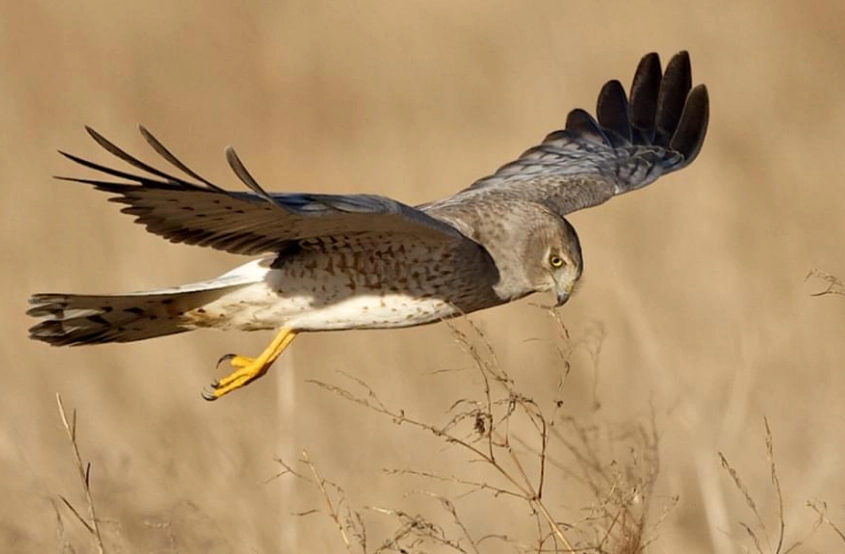
Key ID Features at a Glance:
- Flight Style: Low, buoyant, ground-hugging glides with wings in a shallow 'V'.
- White Rump Patch: An unmissable bright white patch just above the tail, visible on all ages and sexes.
- Facial Disc: A flat, owl-like face that gives it a "staring" appearance.
- Long Tail & Legs: A conspicuously long tail and long, dangling yellow legs.
Then there's the plumage, which causes more confusion than it should. Males are a stunning pale gray with black wingtips—ghostly against a winter sky. Females and juveniles are warm brown with streaky underparts. This extreme difference (sexual dimorphism) means a beginner might think they're looking at two completely different species. The one unifying mark? That brilliant white rump. No matter the color scheme, if you see that white flash low over a field, you've got a harrier.
Northern Harrier Habitat: Where to Look
You won't find them in the woods. Period. Searching for harriers in a forest is like looking for whales in a desert. Their world is flat, open, and often wet. Think big landscapes.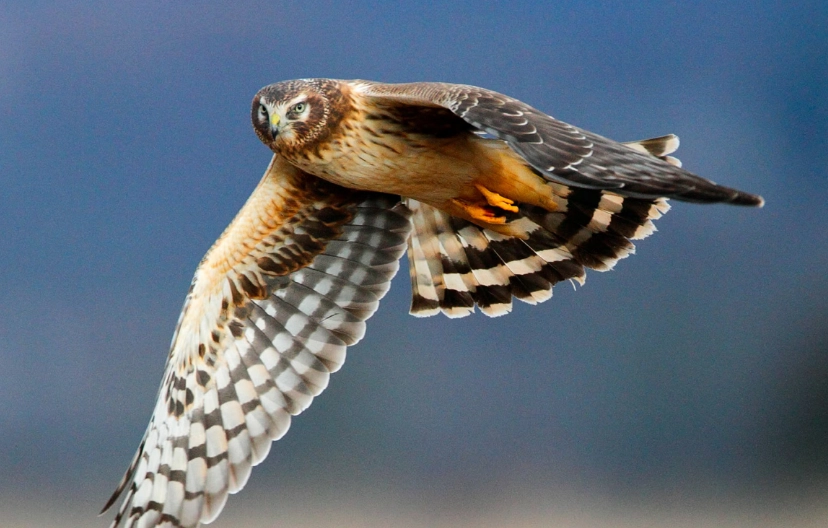
Prime real estate includes:
- Freshwater and Saltwater Marshes: Their classic home. Places like the Sacramento National Wildlife Refuge in California or the expansive marshes along the Atlantic Coast are harrier heaven.
- Native Prairie and Grasslands: The Great Plains are a stronghold. Look in areas managed for grassland birds, often under conservation programs.
- Wet Meadows and Hayfields: Agricultural areas that mimic natural grassland can attract them, especially in winter.
- Airports and Large, Overgrown Fields: Seriously. The large, infrequently mown expanses around some airports provide perfect hunting grounds.
I remember one bitter January day at the Montezuma National Wildlife Refuge in New York. The marsh was frozen, the sky leaden. Just as I was about to give up, a female harrier appeared, quartering over the phragmites with such deliberate purpose. She was the only bird moving in that vast, frozen landscape. It taught me that harriers are often the last hunters to quit as conditions get tough.
Season matters too. In much of the U.S., they're year-round residents, but northern populations migrate south. Winter is often the best time to see them in larger numbers in the Lower 48, as birds from Canada congregate in favorable habitats.
How to Tell a Northern Harrier Apart from Other Hawks?
This is where most birders get tripped up. From a distance, a harrier can be confused with a few common raptors. The biggest mix-up is with the red-tailed hawk. A harrier soaring high (which they do occasionally) can look vaguely similar. But the devil is in the details—and the altitude.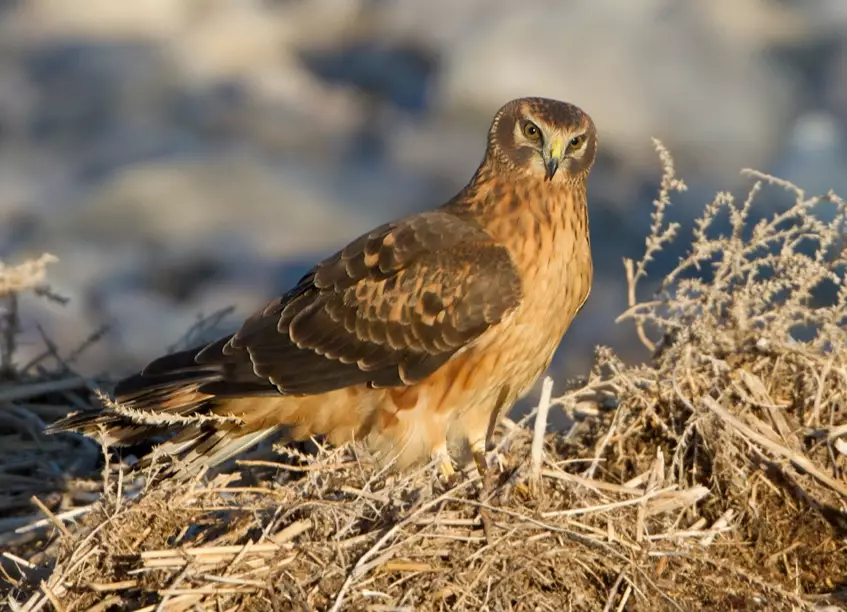
Here’s a quick comparison table to keep in your mind's eye:
| Feature | Northern Harrier | Red-tailed Hawk | Rough-legged Hawk (Winter) |
|---|---|---|---|
| Primary Habitat | Low over marshes/grasslands | Perched on poles, soaring high | Open country, often hovering |
| Flight Style | Low, quartering glides, wings in 'V' | Powerful flaps, high soaring circles | Deep, slow wingbeats, frequent hovering |
| Key Mark | Conspicuous white rump | Red tail (adults), belly band | Dark wrist patches, black belly (dark morph) |
| Face | Owl-like facial disc | Standard hawk face | Feathered to the beak |
The most common mistake I see? People calling a distant, high-flying harrier a "female red-tail" because it's brown. If it's holding its wings in that dihedral and looks lanky, think harrier. Red-tails soar with their wings flat or in a slight lift, and they look stockier, more muscular. The harrier's flight is floaty; the red-tail's is purposeful.
Another pitfall: confusing a harrier with a rough-legged hawk in winter. Both haunt open fields. But rough-legs hover more frequently in one spot, and they lack the white rump. Look for the rough-legged's dark wrist patches on the underside of the wings.
Listen for Them, Too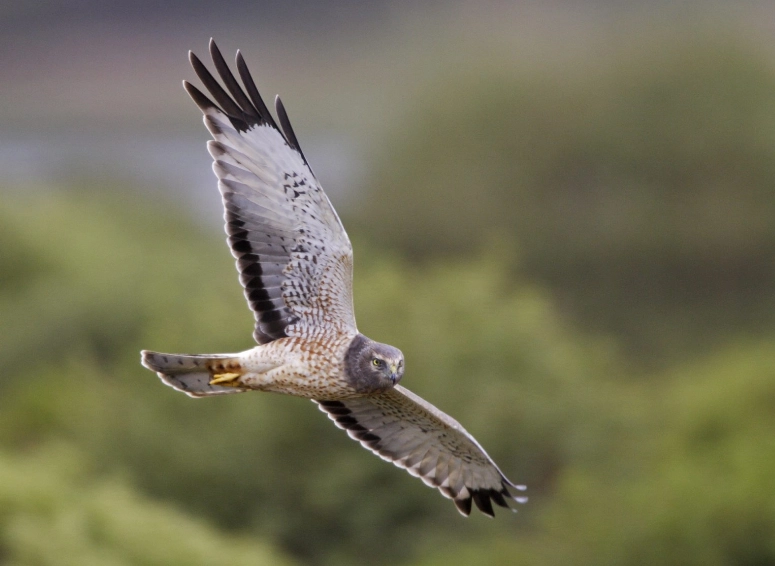
Sound is an underused ID tool. Near the nest, harriers are vocal. Their call is a rapid, high-pitched "kek-kek-kek-kek"—a chattering, complaining sound. It's very different from the piercing scream of a red-tail. Familiarize yourself with their calls on a resource like the Cornell Lab of Ornithology's All About Birds site before you head out.
Best Gear and Tips for Spotting Northern Harriers
You don't need fancy gear, but the right tools make a huge difference. Harriers often work at the far edge of visibility.
Optics are non-negotiable:
- Binoculars (8x42 or 10x42): Your primary tool. A 10x42 gives you extra reach for big fields. Look for models with good light gathering for dawn/dusk viewing.
- Spotting Scope: If you're serious about studying them at a distance—like watching a distant nest site or admiring plumage details—a scope on a tripod is a game-changer. A 20-60x zoom eyepiece is ideal.
Now, for the fieldcraft tips most guides don't mention:
1. Drive the Back Roads. Seriously, some of my best harrier sightings have been from my car, slowly cruising rural roads bordering marshes or Conservation Reserve Program (CRP) land. The car acts as a blind. Roll down the window, rest your elbows, and scan.
2. Look for the "Dip." When a harrier hears prey, it doesn't just drop. It often does a subtle, quick upward stall followed by an almost vertical dip. It's a unique maneuver. If you see that, lock your binoculars on that spot.
3. Time Your Visit. They hunt all day, but activity peaks at dawn and dusk. The low sun also lights up that white rump spectacularly. Overcast days can be excellent too, as the birds may hunt more actively.
4. Scan the Ground, Not Just the Sky. Look for them perched low on a fence post, hummock, or even on the ground. They do perch, contrary to popular belief, especially after a meal.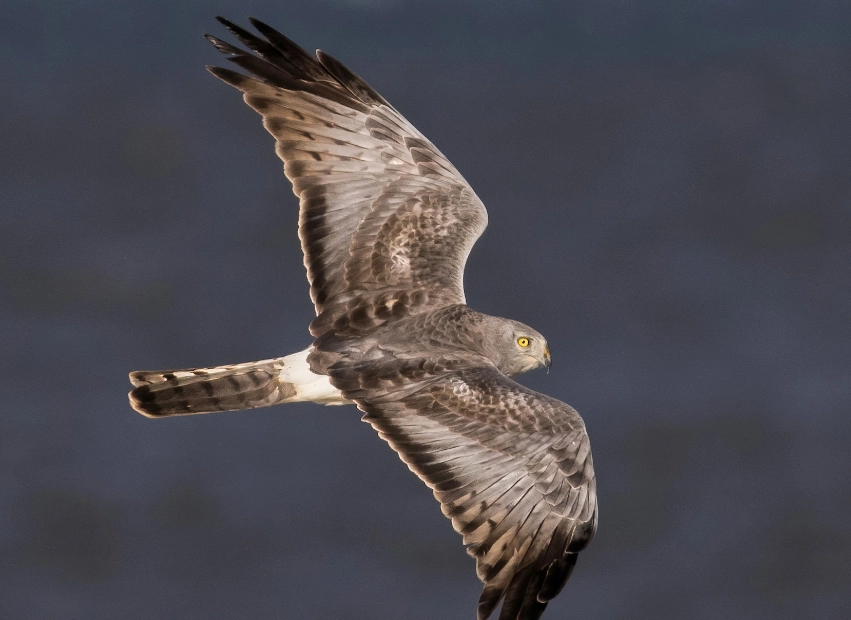
The Northern Harrier’s Role in the Ecosystem and Conservation
Harriers are more than just cool birds to tick off a list. They are vital indicators of grassland and wetland health. A thriving harrier population usually means a healthy population of voles, mice, and other small mammals—and that means the vegetative base of the ecosystem is intact.
Their ground-nesting habit is their greatest vulnerability. A nest in a hayfield can be destroyed by a single pass of a mower before the young fledge. This makes them directly susceptible to agricultural timing and intensity. The loss of native prairie to row-crop agriculture is arguably their single biggest threat.
Conservation isn't just about setting land aside; it's about managing it. Programs that incentivize delayed mowing or grazing until after nesting season (usually late July or August) are critical. Organizations like The U.S. Fish and Wildlife Service and many state natural resource departments work with private landowners on such agreements.
When you support local land trusts or national organizations focused on grassland and wetland conservation, you're indirectly helping harriers. It's a classic case of protecting the habitat to save the species.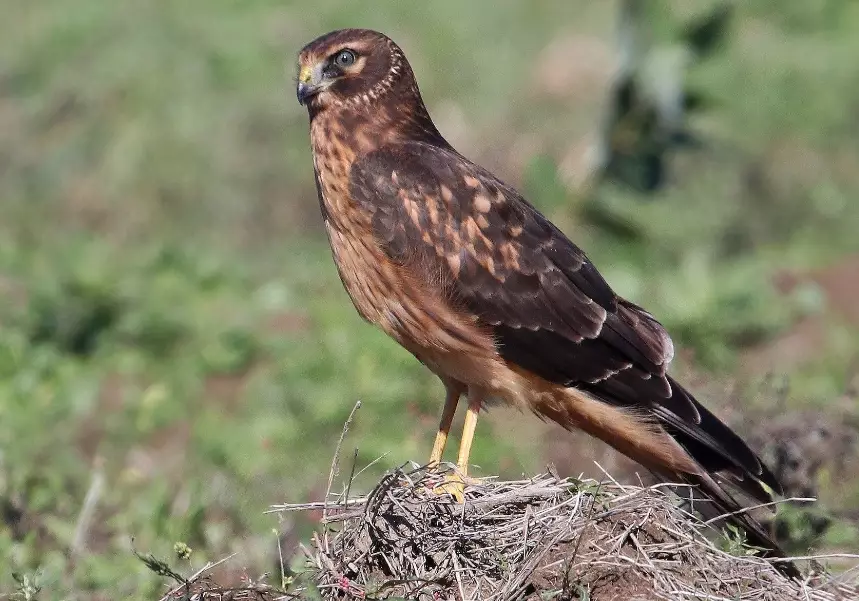
Frequently Asked Questions (FAQ)
 Why do female northern harriers look so different from males?
Reader Comments